


Polyurethane Foam Injection for Driveway Concrete Leveling: Benefits and Process in Indianapolis
- 5 days ago
- 5 min read
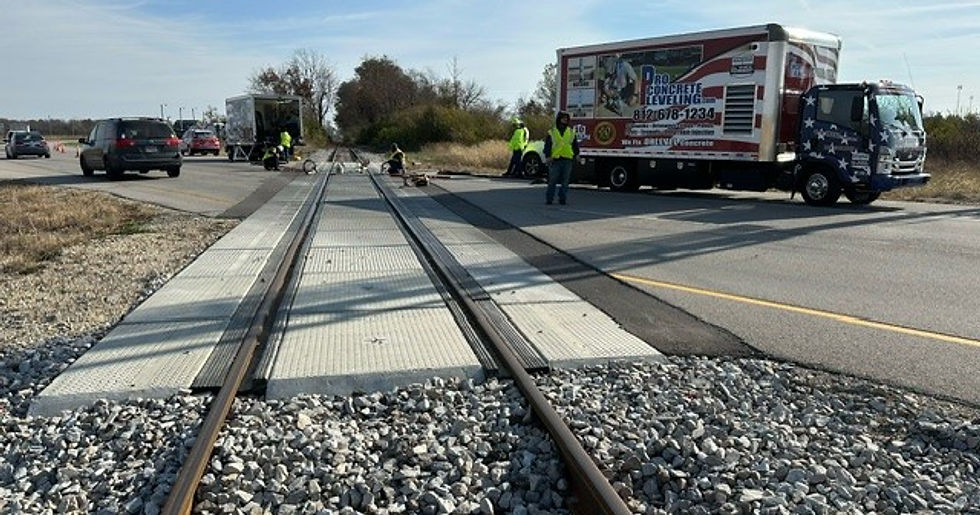
Polyurethane Foam Injection for Driveway Concrete Leveling: Benefits and Process in Indianapolis
If you're a homeowner in Indianapolis dealing with a sunken or uneven driveway, you've likely wondered about the best way to fix it. The question, "What are the benefits of polyurethane foam injection for driveway concrete leveling in Indianapolis?" has a clear answer: it's a highly effective, durable, and cost-efficient solution that restores your driveway's safety and appearance with minimal disruption.
Uneven concrete driveways aren't just an eyesore; they pose trip hazards, can cause drainage issues, and may even reduce your property's curb appeal and value. Traditionally, repairing a sunken driveway meant costly and disruptive concrete replacement, or less effective methods like mudjacking. However, modern Poly foam injection concrete leveling offers a superior alternative for residents throughout Indianapolis and surrounding areas.
Understanding Polyurethane Foam Injection for Concrete Leveling
Polyurethane foam injection, often referred to as polyjacking or foam lifting, is a state-of-the-art method for raising and stabilizing sunken concrete slabs. Instead of tearing out and replacing your entire driveway, this technique involves injecting a specialized, expanding polyurethane foam beneath the concrete surface. This foam expands rapidly, filling voids and gently lifting the slab back to its original, level position.
Pro Concrete Leveling of Indiana specializes in this advanced technique, providing lasting solutions for all types of concrete settlement, including driveways, sidewalks, patios, and even Slab Foundation Repair. Our team uses industry-leading equipment and expertise to ensure precision and durability.
Key Benefits of Polyurethane Foam Injection for Driveway Concrete Leveling in Indianapolis
When considering concrete repair options for your Indianapolis home, polyurethane foam injection stands out for several compelling reasons:
1. Speed and Efficiency
One of the most significant advantages of poly foam injection is how quickly the job can be completed. Most driveway leveling projects can be finished in a matter of hours, not days. The injected foam cures rapidly, meaning your driveway can typically be used again within minutes to a few hours after the process is complete. This minimizes inconvenience and disruption to your daily routine.
2. Cost-Effectiveness
Compared to the traditional method of demolishing and replacing an entire concrete driveway, polyurethane foam injection is significantly more affordable. Replacement involves substantial labor, material, and disposal costs. With polyjacking, you're investing in a targeted repair that utilizes your existing concrete, saving you money while delivering excellent results.
3. Minimal Disruption and Landscape Impact
Polyurethane foam injection requires only small, penny-sized holes to be drilled into the concrete slab. This means there's virtually no damage to your surrounding landscaping, lawn, or adjacent structures. Unlike mudjacking, which uses larger holes and a thicker slurry, polyjacking is a much cleaner and less intrusive process. Your flowerbeds, shrubs, and grass around the driveway remain undisturbed.
4. Lightweight Material
The polyurethane foam used is incredibly lightweight, typically weighing only 2-4 pounds per cubic foot. This is a stark contrast to traditional mudjacking slurries, which can weigh 100-150 pounds per cubic foot. The lightweight nature of poly foam means it doesn't add significant stress to the underlying soil, reducing the risk of future settlement due to added weight.
5. Durability and Longevity
Once injected, the high-density polyurethane foam expands and hardens, creating a strong, stable, and long-lasting base for your concrete driveway. It's resistant to water, erosion, and chemical breakdown, ensuring that your leveled concrete remains stable for years to come. The material also fills voids completely, preventing further erosion and movement of the slab.
6. Environmentally Friendly
The polyurethane foam used in concrete leveling is an inert material that is environmentally safe. It won't leach harmful chemicals into the soil or groundwater, making it a responsible choice for your property and the local Indianapolis ecosystem. Furthermore, by repairing existing concrete instead of replacing it, you reduce landfill waste.
7. Versatility
While we're focusing on driveways, it's important to note that polyurethane foam injection is incredibly versatile. Pro Concrete Leveling of Indiana uses this method for a wide array of concrete surfaces, including sidewalks, patios, pool decks, and even interior commercial slabs. For a comprehensive look at how we can help, explore all our Concrete Repair Options.
The Polyurethane Foam Injection Process with Pro Concrete Leveling of Indiana
Our process at Pro Concrete Leveling of Indiana is straightforward and efficient:
Assessment: We begin with a thorough inspection of your sunken driveway to determine the extent of the settlement and the underlying causes.
Drilling: Small, strategically placed holes (about 5/8 inch in diameter) are drilled through the concrete slab.
Injection: A specialized polyurethane foam is injected through these holes. The foam expands rapidly, filling any voids beneath the slab and gently lifting it back to the desired level.
Monitoring: Our technicians carefully monitor the lifting process to ensure precise and even leveling.
Finishing: Once the concrete is level, the injection holes are patched with a non-shrink grout, and the area is cleaned up. Your driveway is typically ready for use within minutes to hours.
Frequently Asked Questions About Driveway Concrete Leveling in Indianapolis
Q: How long does polyurethane foam injection last?
A: When performed correctly by experienced professionals like Pro Concrete Leveling of Indiana, polyurethane foam injection provides a durable and long-lasting solution, often lasting for many years, if not decades. The foam is stable and resistant to environmental factors.
Q: Is polyurethane foam injection suitable for all types of concrete?
A: Polyurethane foam injection is highly effective for most types of sunken or settled concrete slabs, including driveways, sidewalks, patios, and even garage floors. However, concrete that is severely cracked, crumbling, or extensively damaged may require alternative solutions or replacement.
Q: What causes driveways to sink in Indianapolis?
A: Common causes include soil erosion due to poor drainage, freeze-thaw cycles, poor compaction of the soil during initial construction, and heavy loads on the concrete. Indianapolis's climate, with its varying temperatures and rainfall, can contribute to these issues.
Q: How much does polyurethane foam injection cost compared to replacement?
A: While specific costs vary by project, polyurethane foam injection is typically a fraction of the cost of completely tearing out and replacing a concrete driveway. It's a significantly more affordable repair option.
Q: Can I do polyurethane foam injection myself?
A: No, polyurethane foam injection is a specialized process that requires professional equipment, materials, and expertise. Attempting a DIY repair can lead to further damage or ineffective results. Always rely on experienced contractors like Pro Concrete Leveling of Indiana for concrete leveling.
Choose Pro Concrete Leveling of Indiana for Your Driveway Repair Needs
Don't let a sunken driveway detract from your Indianapolis home's safety and appearance any longer. Polyurethane foam injection offers a modern, efficient, and cost-effective solution that homeowners trust. Pro Concrete Leveling of Indiana is your local expert, dedicated to providing top-quality concrete leveling services with lasting results.
Ready to restore your driveway and enhance your property? Contact Pro Concrete Leveling of Indiana today for a free estimate! Let us show you why polyurethane foam injection is the smart choice for your concrete repair needs in Indianapolis.

Comments